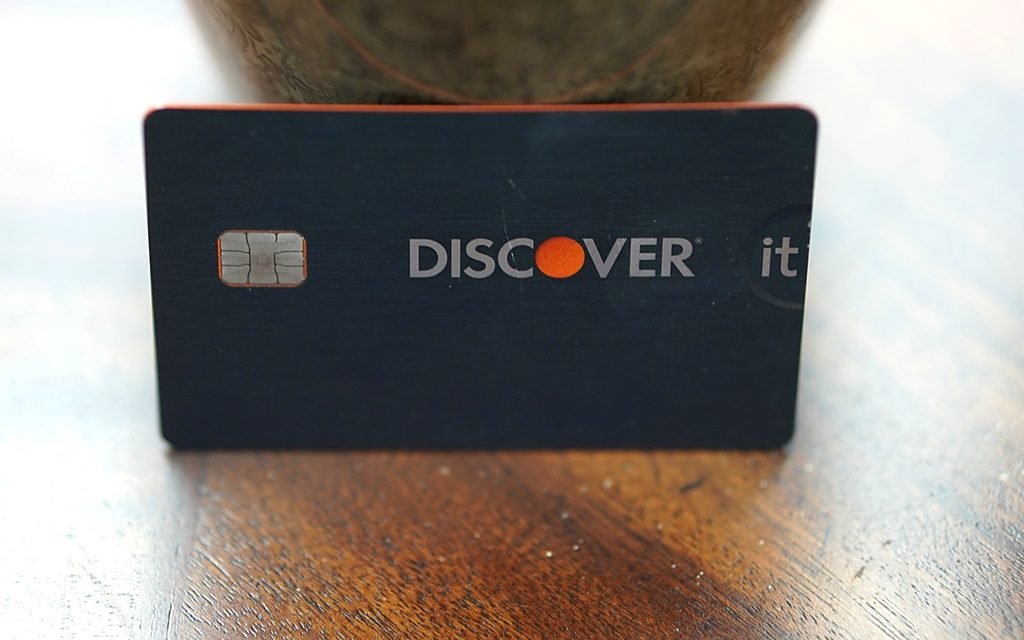
Getting your first credit card is tricky, because most credit cards want you to already have credit. I had none. So instead of applying to the big-name cards and getting rejected, I started with a secured card: the Discover it® Chrome Secured Credit Card.
I opened it in July 2022 with a $200 deposit. Eight months later, Discover returned my deposit and raised my limit to $1,800. That card helped me get approved for better cards later. Here’s exactly how I did it, and how you can get your first credit card too.
Table of Contents
Why It’s Hard to Get Your First Credit Card
Credit card companies decide whether to approve you based on your credit history. If you’ve never had a credit card or loan, you don’t have a history, so they have nothing to judge you on.
Before I applied, I researched online and kept reading the same thing: the big-name cards usually reject people with no credit history. Every application also adds a hard inquiry to your credit report, so getting rejected over and over doesn’t help you. I didn’t waste my time applying to cards I wouldn’t get.
What I did find was that secured credit cards are made for people starting out, and Discover had a reputation for giving beginners a shot.
What Is a Secured Credit Card?
A secured credit card works like a normal credit card, except you pay a refundable security deposit to open it. Your deposit usually becomes your credit limit. If you put down $200, you can spend up to $200.
The deposit protects the card company in case you don’t pay, which is why they’ll approve people with no credit history. You still get a monthly bill, you still have to pay it on time, and your payments are reported to the credit bureaus. That’s what builds your credit.
Once you show you can handle it, many secured cards “graduate” to regular unsecured cards and return your deposit.
How I Got My First Credit Card
Here’s my timeline:
- November 2021: Opened my first bank account and got my first debit card at a Wells Fargo branch.
- July 2022: About eight months later, once I was comfortable with online banking and my debit card, I applied for the Discover it Chrome Secured Credit Card. I was 20. Discover took the $200 security deposit straight from my bank account.
- August 2022: My card arrived in the mail, about two weeks later, just like Discover said it would.
- March 2023: Discover returned my $200 deposit and increased my credit limit to $1800.
My starting credit limit was $200, the same as my deposit. It’s a small limit, but it doesn’t matter. What matters is that you’re building a history of on-time payments.
How to Get Your First Credit Card (Step by Step)
Step 1: Open a bank account first. You’ll need one to pay your deposit and your monthly bill. If you don’t have one yet, start with my guide on how to get your first debit card.
Step 2: Pick a secured card. Look for one with no annual fee, a refundable deposit, and a way to graduate to an unsecured card.
Step 3: Check if you’re pre-approved. Many card companies, including Discover, let you check before you apply.
Step 4: Apply and pay your deposit. You’ll enter your personal information and fund the deposit from your bank account.
Step 5: Use it for small, everyday purchases. Buy things you’d buy anyway, like gas and groceries.
Step 6: Pay it off in full, every time. Never carry a balance.
Step 7: Wait for your card to graduate. Once you’ve shown responsible use, you get your deposit back and a higher limit.
How I Used My First Credit Card to Build Credit
Once the card arrived, I stopped using my debit card and put almost everything on the Discover card. My limit was only $200, but because I paid off each purchase as soon as it showed up, I always had room to use it again. It paid 2% cash back at gas stations and restaurants and 1% on everything else.
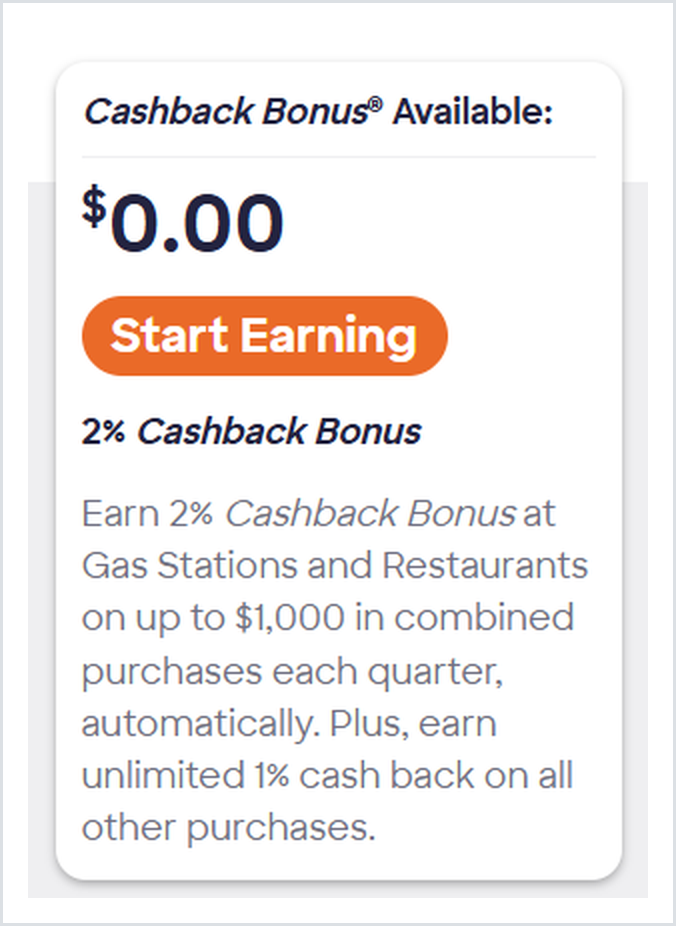
In the first year, Discover’s Cashback Match doubled all the cash back I earned. That worked out to 4% on gas and 2% on everything else.
The most important thing I did was pay it off right away. I didn’t wait for my monthly statement. As soon as a purchase showed up in the app, I paid it off manually. I didn’t use autopay.
That did two things:
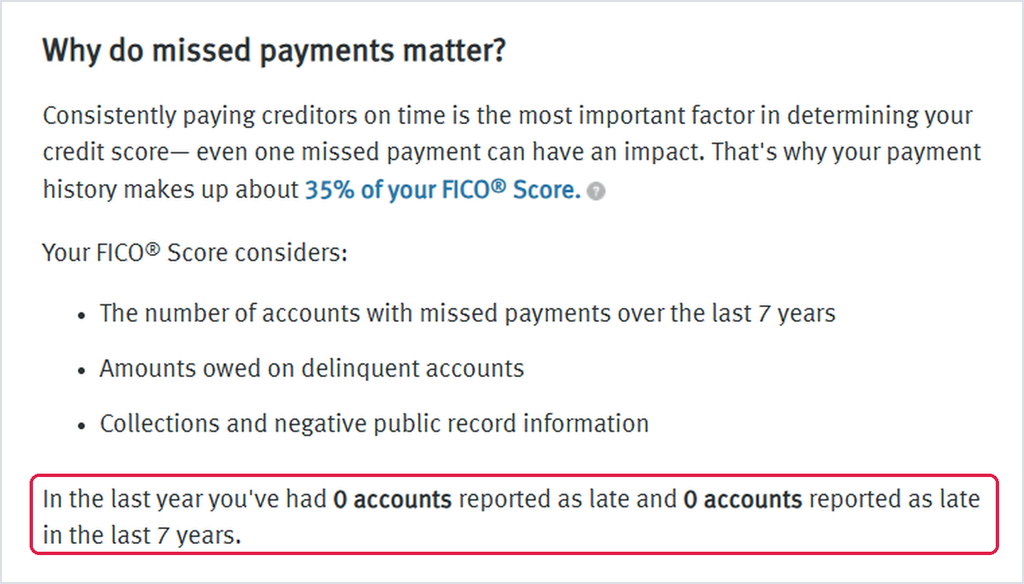
- I never missed a payment. Payment history is the biggest part of your credit score, about 35% of your FICO Score.
- I never paid a cent of interest, because I never carried a balance.
Getting My $200 Deposit Back
In March, 2023, I got this email from Discover:
“Because you’ve shown responsible account management, you’re getting your security deposit back… Your new credit limit is $1,800.00.”
It happened automatically, and I didn’t have to ask. My deposit came back by check, my card became a regular unsecured card, and I kept the same account number and rewards. My limit went from $200 to $1,800.
What My First Credit Card Led To
Once my credit history started building, my score landed in the 700s. To this day I’ve never had a late payment.
That history is what got me approved for better cards later, like the Wells Fargo Active Cash® Card and PayPal’s credit card, which both pay 2% cash back on everything, and the PayPal Cashback World Mastercard, which pays 3% cash back anywhere you can check out with PayPal. Without building my credit with Discover first, I don’t think those big names would have approved me.
Today my Discover card is my backup card. I don’t use it much, but I’m keeping it open, because it’s my oldest account, and the length of your credit history is part of your credit score.
Can You Still Get This Card Today?
Yes, but in a newer version. Discover is now part of Capital One, and the card offered today is the Discover it® Secured Cash Back Credit Card. It works the same way mine did, with a few differences:
- Deposit: Discover asks for a $49, $99 or $200 deposit based on your credit, and you get a credit limit of at least $200 either way. With my card, the deposit and the limit were the same ($200). Now you might put down less and still get a $200 limit.
- Cash back: 5% on everyday purchases at places that change every quarter, up to a quarterly maximum. Discover picks the categories, and you have to activate them each quarter. You also get 1% on everything else.
- Cashback Match: Discover still doubles all the cash back you earn in your first year.
- Graduation: when you show responsible use, you get your deposit back and upgrade to the regular Discover it Cash Back card.
My card has moved to Capital One behind the scenes too. The only difference I’ve noticed is some Capital One branding in my dashboard. The card and the app work the same as before.
Mistakes to Avoid With Your First Credit Card
Carrying a balance. Credit cards charge high interest. Pay the full balance every month, or right away like I did.
Missing a payment. Even one late payment can hurt your score. If you won’t pay manually, turn on autopay.
Using most of your limit. How much of your limit you use matters. The common rule is to stay under 30%. With a $200 limit, that’s $60. A $150 balance is 75% of your limit. Keep your balance low, or pay it off before your statement closes, like I did.
Applying for lots of cards at once. Every application is a hard inquiry. Start with one secured card and let it do its job.
Closing your first card. Keep it open, even if you rarely use it, because it’s your oldest account and closing it can shorten your credit history and lower your available credit, both of which can hurt your score.
My Verdict: Is a Secured Card the Best First Credit Card?
Yes, if you have no credit history. A secured card is the easiest way to get approved, and the deposit comes back once you prove yourself. Mine went from a $200 limit to $1,800 in about eight months, and it led to better cash back cards later.
Use it for everyday purchases, pay it off in full, never miss a payment, and keep it open after it graduates. If you want to start the same way I did, you can see if you’re pre-approved for the Discover it Secured Cash Back card here.
Want to start investing too? See how to open your first brokerage account.
FAQ
Can I get a credit card with no credit history?
Yes. Secured credit cards are made for people with no credit history. You pay a refundable deposit, and the card company approves you based on that.
Does a secured credit card build credit?
Yes. Your payments are reported to the credit bureaus, just like a regular credit card.
How long does it take to get your secured card deposit back?
It varies by card. Mine came back about eight months after I opened the account.
Should I close my first credit card?
Usually no. It’s your oldest account, and keeping it open helps the length of your credit history.
Is a secured card the same as a prepaid card?
No. A prepaid card spends money you’ve loaded onto it and doesn’t build credit. A secured card is a real credit card that reports to the credit bureaus.
This article is for informational purposes only and isn’t financial advice. Card terms, deposits and rewards can change, so check the latest details on the card issuer’s website before you apply.